Overview
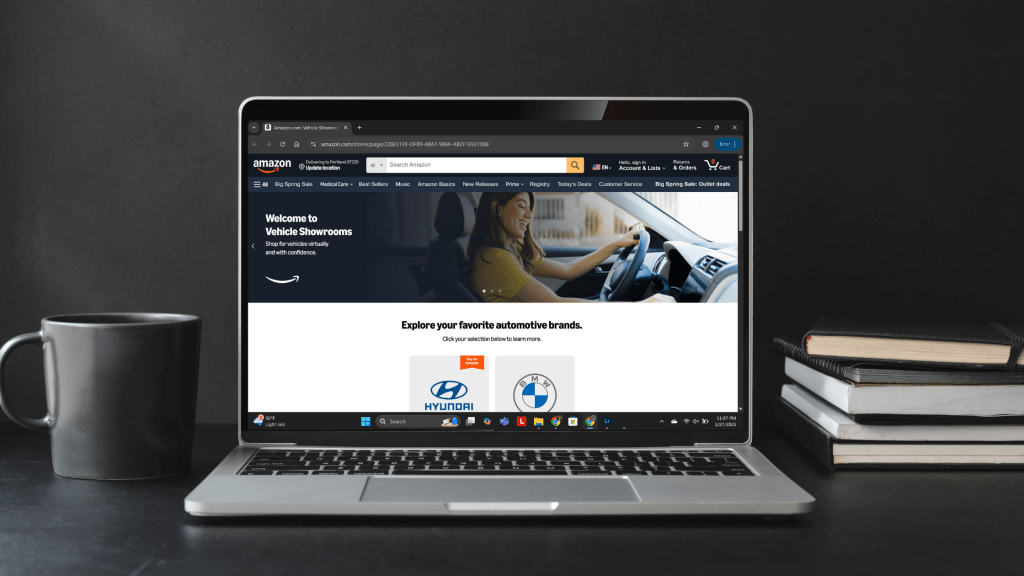
This project evaluates the Amazon Jeep Vehicle Showroom website’s accessibility based on Web Content Accessibility Guidelines (WCAG) 2.1 Level AA. The goal is to create an inclusive user experience and ensure compliance with ADA standards, improving user satisfaction and reducing legal risks.
Why Accessibility Matters
15% of the Global population has a disability (13% of Portland, OR).
Competitors like Jaguar Land Rover have implemented accessibility features, giving them a competitive edge over this market.
Poor accessibility = lost revenue and PR risks (negative reviews, social media backlash, etc.).
Over 3,200 ADA-related lawsuits were filed in 2022 alone.
Amazon provides accessibility across major product lines (Alexa, Kindle, Prime Video, etc.), but no specific policies exist for the Vehicle Showroom.
Project Phases
1. Initiation Phase – Building the Foundation
Objective: Establish a foundation by understanding the problem, building awareness, and securing stakeholder support.
✅ Activities:
- Stakeholder Training:
- Train the team on WCAG guidelines, assistive technologies (e.g., screen readers), and user challenges.
- Bring in experts (internal and external) for hands-on sessions.
- Developing a Business Case:
- Highlight the financial benefits of accessibility (increased market reach, improved reputation).
- Include case studies from competitors showing ROI from accessibility improvements.
- Awareness Campaign:
- Launch a “Simulated Accessibility Experience” where stakeholders use the site with impairments (e.g., vision sim glasses, keyboard-only navigation).
- Create an internal communications campaign highlighting the importance of accessibility.
⭐ Success Metrics:
- 80%+ of stakeholders attend training sessions.
- Positive feedback from employees after simulations (measured through anonymous surveys).
- Approval of business case by executive leadership.
2. Planning Phase – Strategy and Goal Setting
Objective: Define the strategy, budget, and success metrics for making the Vehicle Showroom fully accessible.
✅ Activities:
- Accessibility Audit:
- Evaluate the current site for WCAG compliance issues.
- Identify problem areas: low contrast, missing alt text, non-keyboard-friendly navigation.
- Goal Setting:
- Ensure full compliance with WCAG 2.1 Level AA by 12/31/2024.
- Prioritize high-impact fixes first (e.g., fixing navigation issues over minor color adjustments).
- Budget Allocation:
- Amazon’s R&D budget for AWS = ~$11.5B
- 20% allocated to UX = ~$2.3B
- AWS Accessibility Budget = ~$231M
- Vehicle Showroom’s share = $470K–$745K
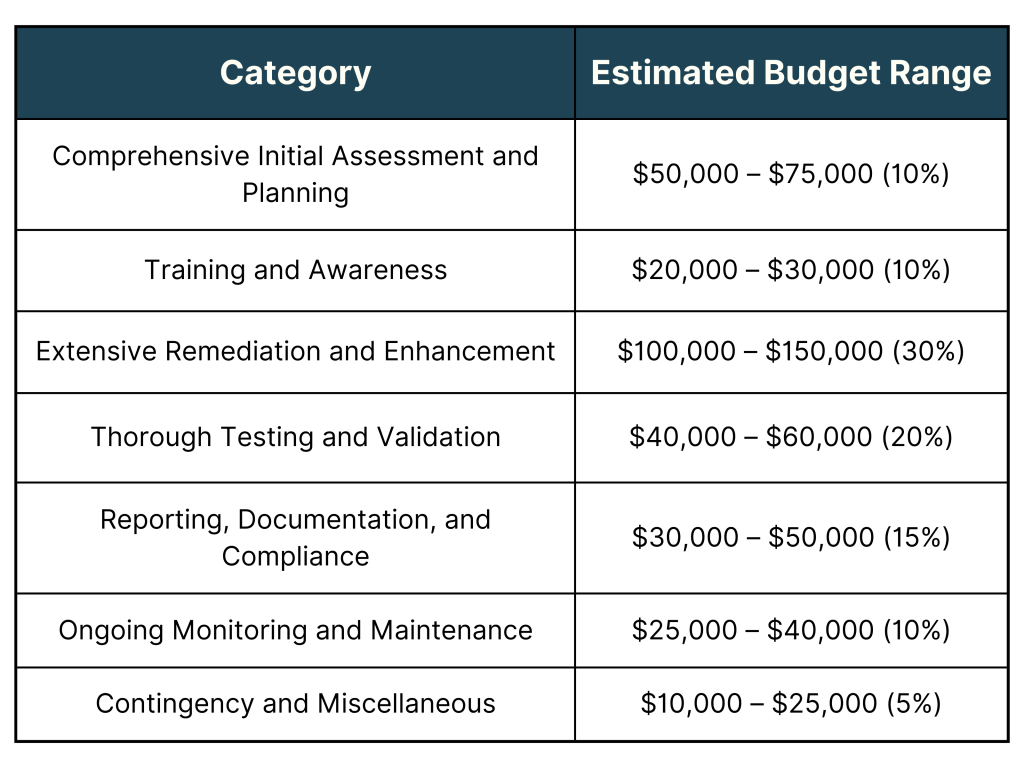
➡️ Suggested Budget Breakdown:
⭐ Success Metrics:
- Accessibility score of 90%+ on WCAG compliance tests after fixes.
- Site navigation improved (e.g., reduced bounce rate, higher session duration).
- Positive user feedback from accessibility testing.
3. Implementation Phase – Bringing Accessibility to Life
Objective: Execute design and development changes to improve accessibility.
✅ Activities:
- Keyboard Navigation:
- Ensure the site can be navigated using only a keyboard (critical for motor-impaired users).
- Example: A user should be able to reach the “Find a Dealer” button using the Tab key alone.
- Contrast and Visibility:
- Meet contrast ratio standards (4.5:1) to improve text readability.
- Example: Adjust text on buttons from light gray to dark blue to improve contrast.
- Descriptive Links:
- Replace vague “Click Here” links with descriptive labels like “View Jeep Models.”
- Multimedia Accessibility:
- Add captions and transcripts to videos.
- Example: Prime Video uses synced captions—adopt similar standards for showroom videos.
- User Testing:
- Recruit individuals with disabilities for hands-on site testing.
- Example: A visually impaired user using a screen reader should be able to complete a purchase without assistance.
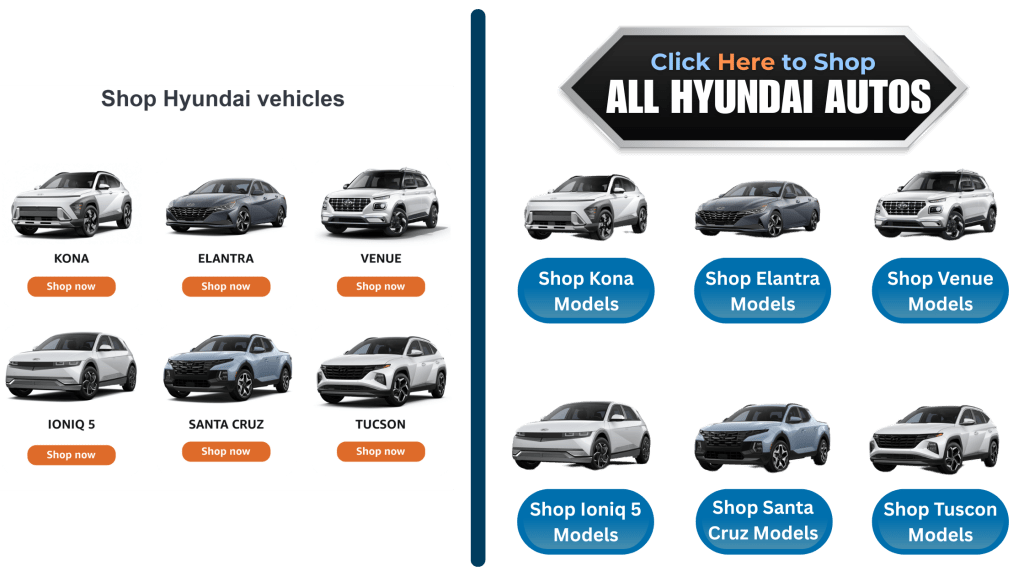
Colors selected based on multiple color vision deficiency (CVD) accessible palettes, ensuring minimal color transference across different types of color vision deficiency/colorblindness.
⭐ Success Metrics:
- Accessibility score of 95%+ after implementation.
- User testing success rate > 85% (successful task completion).
- Lower bounce rates and higher session times post-launch.
4. Maintenance Phase – Sustaining Accessibility Excellence
Objective: Establish ongoing practices to maintain accessibility and adapt to new guidelines.
✅ Activities:
- Regular Audits:
- Conduct quarterly WCAG compliance tests.
- Example: Test site for new issues introduced by updates.
- Ongoing Training:
- Require new team members to complete accessibility training.
- Example: Include accessibility checks in the design review process.
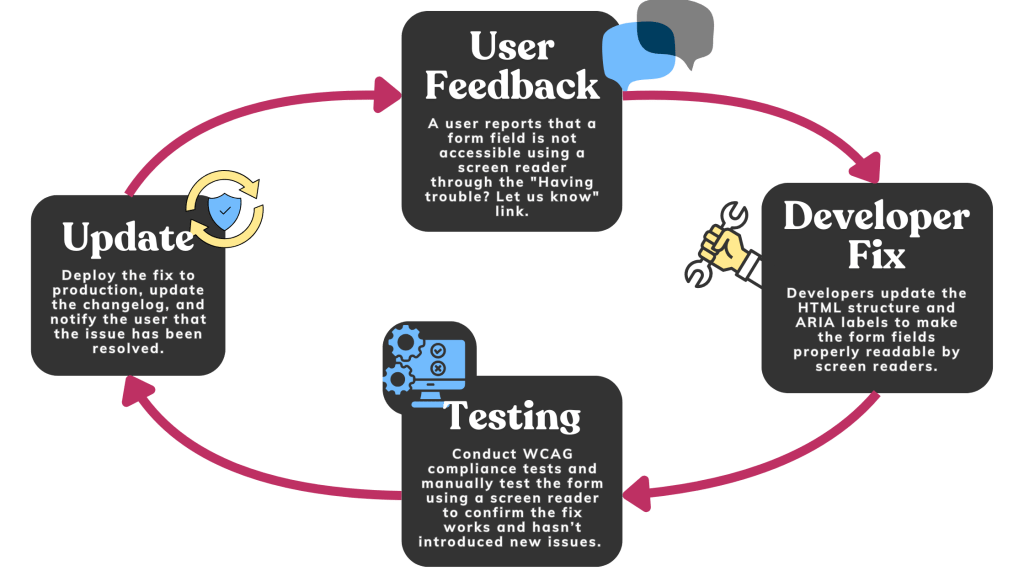
- Feedback Loop:
- Provide a direct feedback form for accessibility issues.
- Example: “Having trouble? Let us know” link on every page.
- Industry Monitoring:
- Track updates to WCAG and ADA guidelines.
- Example: Update site as new compliance standards are introduced.
⭐ Success Metrics:
- Accessibility score maintained at 95%+.
- 90% of reported issues resolved within 30 days.
- Positive feedback from users with disabilities (> 85% satisfaction).
Outcome
A fully accessible Amazon Vehicle Showroom will:
✅ Improve user satisfaction and expand customer reach.
✅ Reduce legal and financial risk.
✅ Enhance Amazon’s reputation as an inclusive and user-friendly platform.
📌 Key Takeaways:
- Accessibility improves user experience for all users—not just those with disabilities.
- A strong business case secures stakeholder support and funding.
- Successful implementation relies on cross-functional collaboration, consistent testing, and user feedback.
- Maintaining accessibility is an ongoing process, not a one-time fix.
 Kalene Savage